Gisela Long · 4 September 2026
Campus Residences Adopt Integrated Strategies for Seasonal Sleep Pattern Management
University housing offices across multiple regions have begun rolling out multi-layered programs designed to help students regulate sleep amid seasonal changes in daylight and temperature, with several institutions scheduling full implementation for September 2026. These initiatives combine environmental adjustments, bedding modifications, and behavioral supports rather than relying on single interventions. Data from campus health services indicate that student reports of sleep disruption rise notably during fall adn winter months when daylight hours shorten, prompting administrators to coordinate responses across residence life, facilities, and wellness teams.
Recognizing Seasonal Influences on Campus Sleep
Research indicates that reduced natural light exposure during autumn and winter correlates with delayed sleep onset and fragmented rest among young adults living in shared housing. Housing directors have reviewed internal surveys showing that students in north-facing rooms or buildings with limited window access experience greater variability in bedtime consistency compared with those in brighter spaces. Observers note that these patterns align with broader findings from academic medical centers, where light exposure logs reveal measurable drops in melatonin regulation once outdoor daylight falls below eight hours per day.
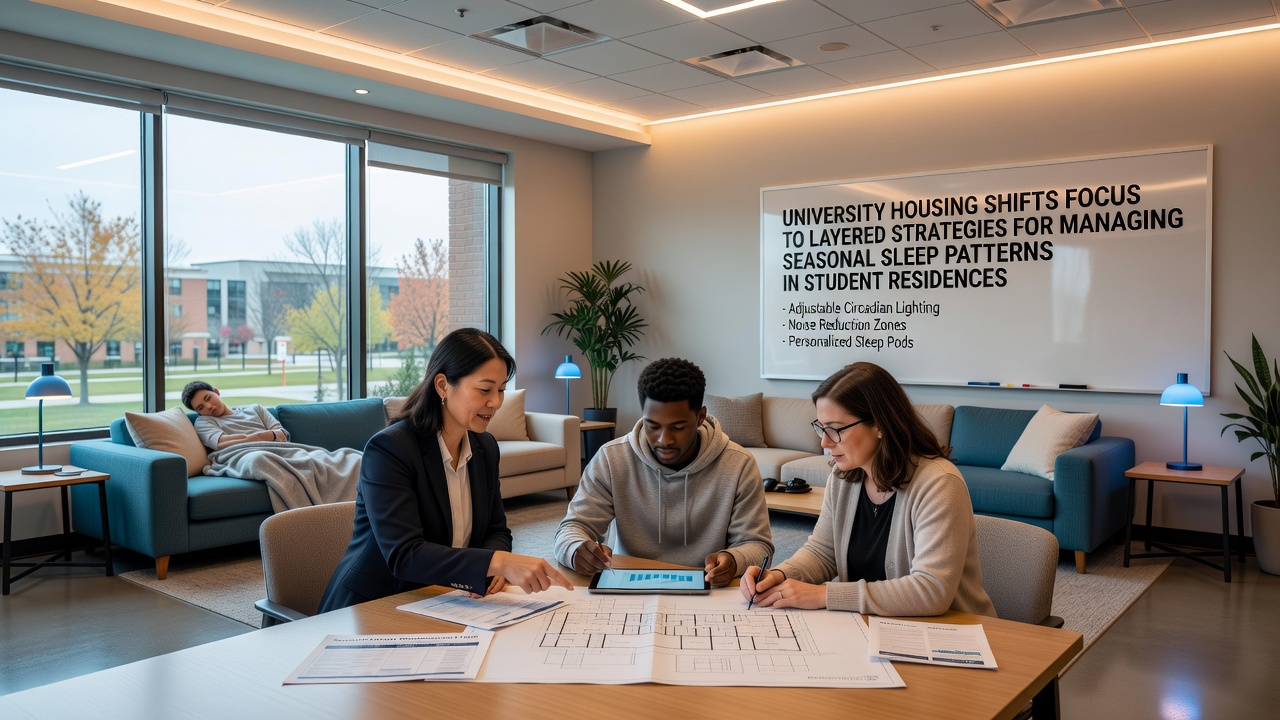
Facilities teams have started mapping room orientations and existing lighting infrastructure to identify priority areas for upgrades. In several pilot buildings, managers installed programmable LED systems that gradually increase brightness in the morning and dim earlier in the evening to mimic natural cycles. Such adjustments form one layer within a broader set of coordinated measures rather than serving as standalone solutions.
Building Multiple Layers of Support
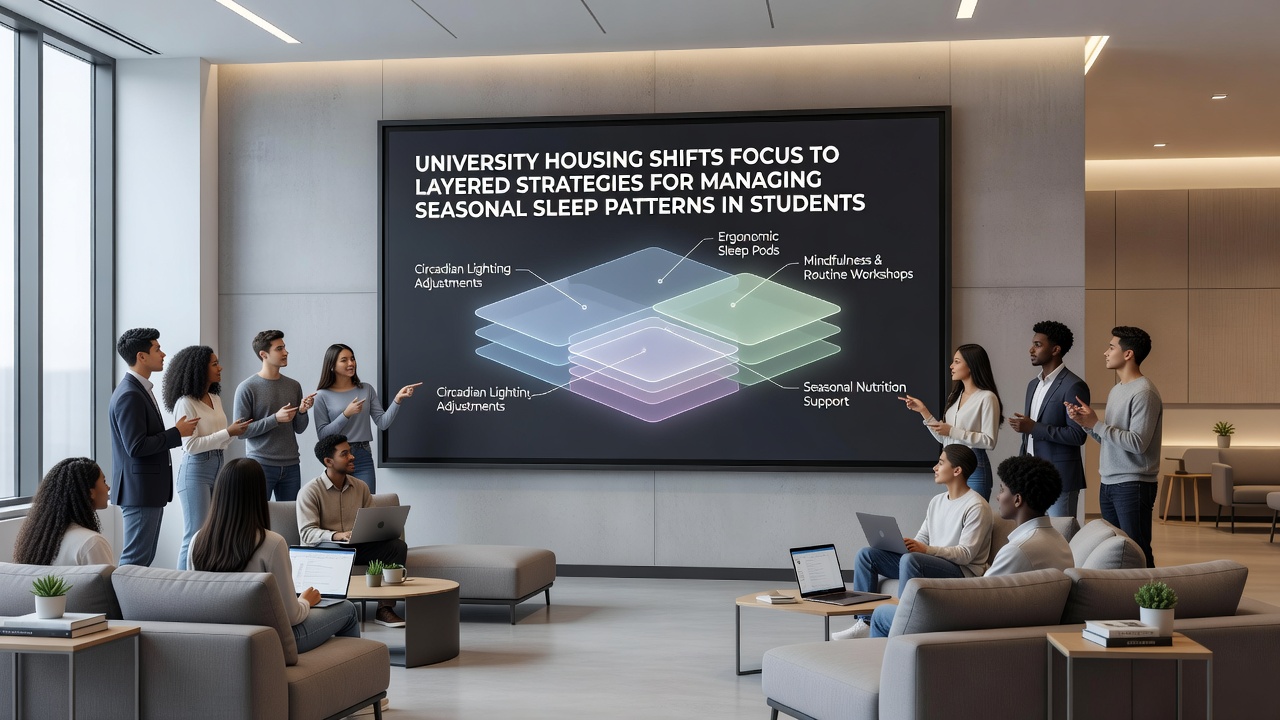
Layered strategies typically include four overlapping components: physical environment controls, bedding and mattress selections, educational programming, and data tracking. Environmental controls encompass window treatments, ventilation schedules, and temperature zoning that facilities staff adjust seasonally. Bedding provisions allow residents to request additional blankets, lighter duvets, or mattress toppers suited to temperature fluctuations. Educational sessions delivered by residence advisors cover consistent sleep schedules and light exposure habits, while anonymous sleep logs help staff evaluate whether interventions produce measurable shifts in reported rest quality.
One residence hall at a Midwestern university introduced a tiered bedding exchange program in which students could swap heavier winter comforters for lighter summer options through a central storage system. Usage records showed steady participation rates once staff placed clear signage near laundry rooms and common areas. Similar programs in Canadian universities have incorporated blackout curtains alongside the bedding rotations, creating combined effects on both light and thermal conditions.
Coordinating Across Departments
Successful implementations require collaboration among housing, facilities, counseling services, and dining operations. Dining halls have adjusted evening meal timing and menu offerings to reduce caffeine availability after certain hours, while counseling centers provide optional workshops on circadian rhythm awareness. Housing staff track participation through sign-in systems and link attendance figures to subsequent wellness check responses. This cross-departmental structure ensures that changes in one area reinforce adjustments elsewhere instead of operating in isolation.
European institutions have drawn on guidelines from the European Sleep Research Society when designing their layered frameworks, adapting recommendations on light timing and temperature ranges to fit older dormitory architecture. Australian universities have referenced reports from the Sleep Health Foundation to inform similar rollouts, focusing on ventilation strategies suited to warmer climates during summer months. These regional adaptations demonstrate how core principles translate across different building types and climates.
Tracking Outcomes and Adjusting Tactics
Residence life teams collect quarterly feedback through short digital surveys that ask residents to rate sleep consistency and note any environmental barriers they encounter. Aggregated results feed into annual planning meetings where staff decide which layers require expansion or modification. In buildings where initial lighting upgrades produced limited change, managers added optional eye-mask distributions and scheduled dim-down periods in shared lounges. Such iterative adjustments keep the overall strategy responsive without requiring complete overhauls each semester.
September 2026 marks the target date for several North American campuses to complete infrastructure assessments and begin phased installations of programmable lighting across additional residence halls. Project timelines include staff training sessions during summer orientation periods so that incoming students encounter consistent messaging from the first week of classes.
Conclusion
University housing departments continue to refine these layered approaches by integrating feedback loops and cross-unit coordination. The emphasis on multiple simultaneous supports rather than isolated fixes reflects recognition that seasonal sleep challenges arise from overlapping environmental and behavioral factors. As more institutions prepare for full-scale adoption in September 2026, ongoing data collection will clarify which combinations of interventions yield the most consistent improvements in student rest patterns across diverse campus settings.