Gisela Long · 16 October 2026
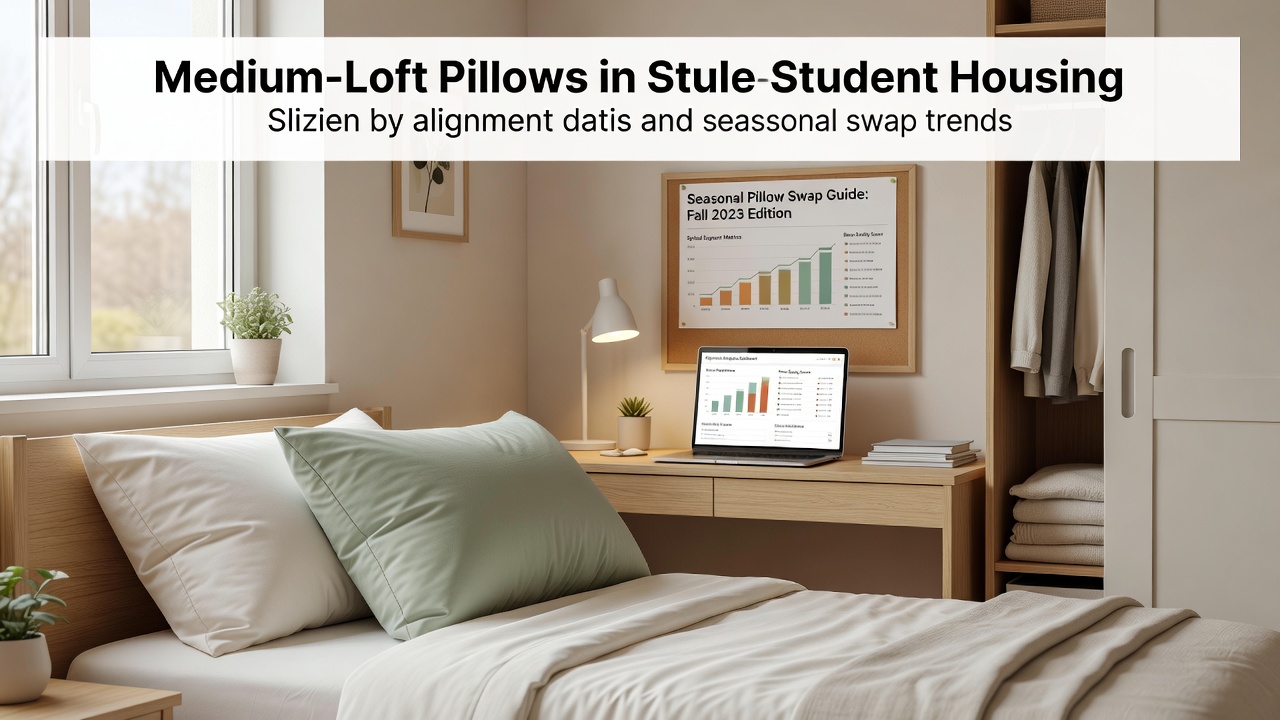
Medium-Loft Pillows Gain Ground in Student Housing as Alignment Data Meets Seasonal Swap Trends
Student housing facilities across multiple regions report increased adoption of medium-loft pillows, with procurement data from university suppliers indicating a measurable shift away from both low-profile and high-loft options in shared living spaces. Observers note that this movement coincides with accumulating research on cervical alignment during sleep and recurring patterns of seasonal bedding exchanges that occur each fall semester.
Defining Loft Levels in Institutional Settings
Medium-loft pillows typically measure between 4 and 6 inches in height when uncompressed, a range that accommodates varied sleep postures without forcing excessive neck extension or flexion. University housing coordinators document that these specifications allow standardized pillow cases to fit without bunching, while residents report fewer adjustments needed throughout the night compared with thinner or bulkier alternatives.
Research from sleep laboratories shows that pillow height influences the angle formed by the head, neck and upper spine, with deviations beyond certain thresholds correlating to morning stiffness in controlled trials. Data collected at multiple academic institutions reveals that medium-loft models maintain neutral alignment for a larger percentage of side and back sleepers who share dormitory rooms with differing preferences.
Alignment Metrics and Procurement Decisions
Facilities management teams review posture studies when updating bedding inventories, and several large university systems have incorporated alignment measurements into their vendor evaluation criteria. Figures from housing reports compiled through 2025 demonstrate that medium-loft selections reduced reported neck discomfort incidents by measurable margins in pilot dormitories, prompting wider rollout ahead of the 2026 academic year.
One study conducted at a North American research university tracked spinal positioning via wearable sensors and found that participants using 5-inch loft pillows maintained closer-to-neutral cervical angles across multiple sleep cycles. Similar observations appear in European dormitory audits, where procurement logs list medium-loft pillows as the dominant choice for new student intake periods.
Seasonal Swap Practices in Campus Residences
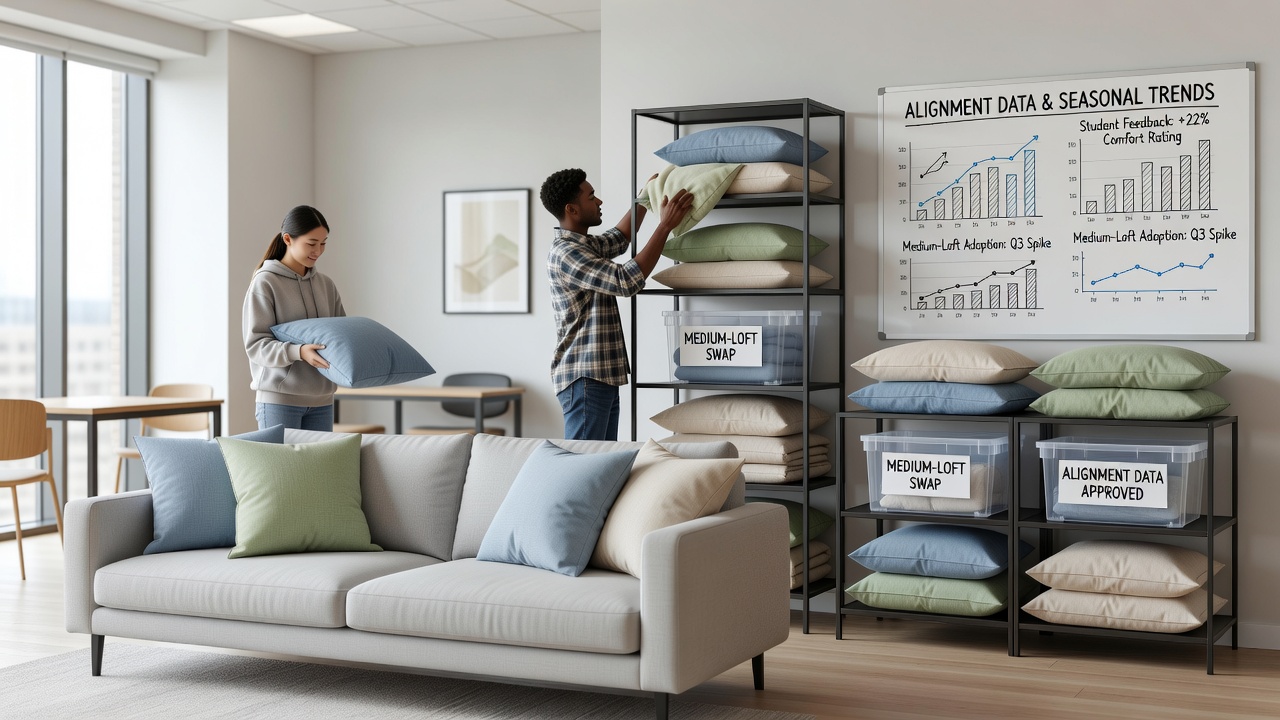
Seasonal bedding exchanges occur routinely in student housing, with lightweight options distributed during warmer months and additional loft or fill introduced as temperatures drop. Housing staff note that medium-loft pillows serve as a consistent base layer that pairs with either cooling covers or insulating protectors, reducing the total number of items residents must store between swaps.
Records from residence life departments show that October 2026 swap events at several institutions featured medium-loft units as the standard issue item, with residents permitted to request supplemental layers only when specific medical documentation accompanied the request. This approach streamlines inventory management while addressing documented alignment needs across diverse student populations.
Integration with Broader Housing Policies
Campus sustainability initiatives intersect with these pillow trends because medium-loft constructions often utilize fewer fill materials than high-loft counterparts, lowering both shipping weight and long-term replacement cycles. Trade associations tracking textile use in institutional settings report that universities adopting these specifications achieve measurable reductions in annual bedding expenditures.
Resident surveys conducted by housing offices indicate that students appreciate the versatility of medium-loft pillows during seasonal transitions, citing fewer instances of overheating or inadequate support compared with previous uniform distributions. Facilities teams integrate these findings into vendor contracts that specify loft tolerances and fill composition standards.
Future Outlook for Institutional Bedding
Procurement timelines for the 2027 academic year already list medium-loft pillows as the baseline specification at multiple universities, reflecting aggregated data from alignment studies and seasonal usage logs. Industry groups focused on higher-education furnishings continue to compile comparative performance metrics that inform these decisions across different climate zones.
Conclusion
Medium-loft pillows now occupy a central position in student housing inventories because alignment research and seasonal operational requirements converge on the same product specifications. Housing administrators continue to monitor usage data and resident feedback as they refine procurement strategies for subsequent semesters.